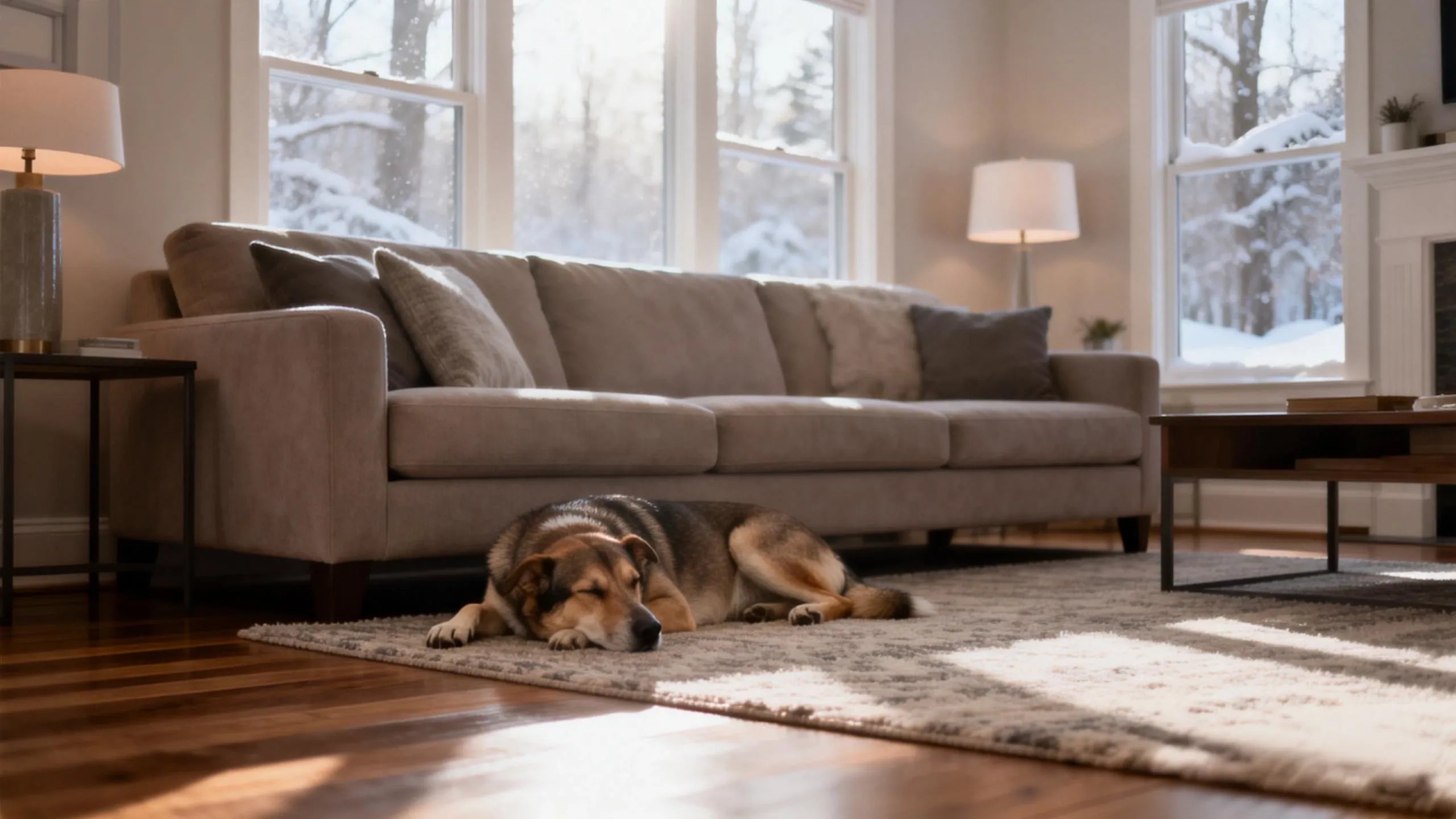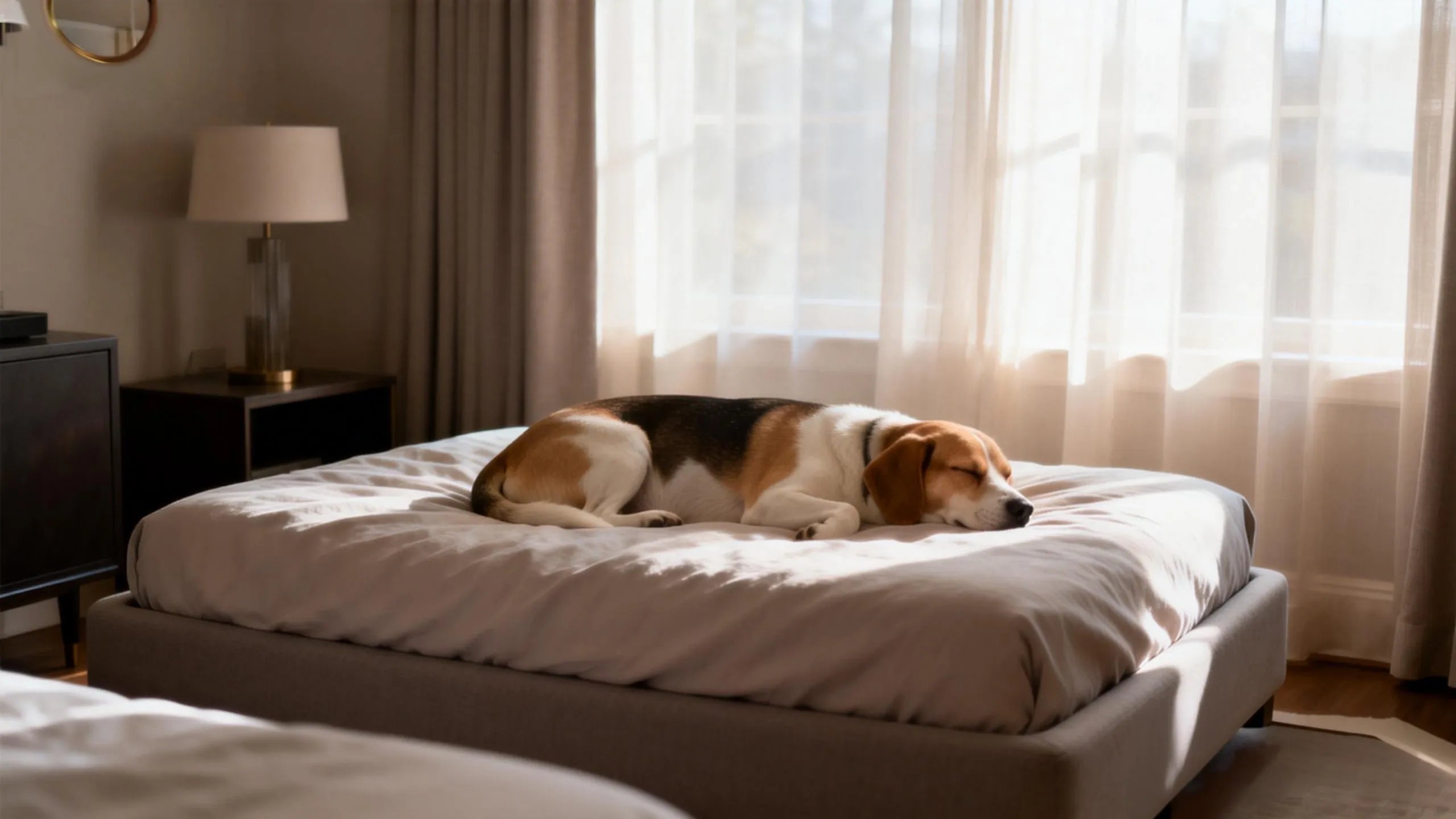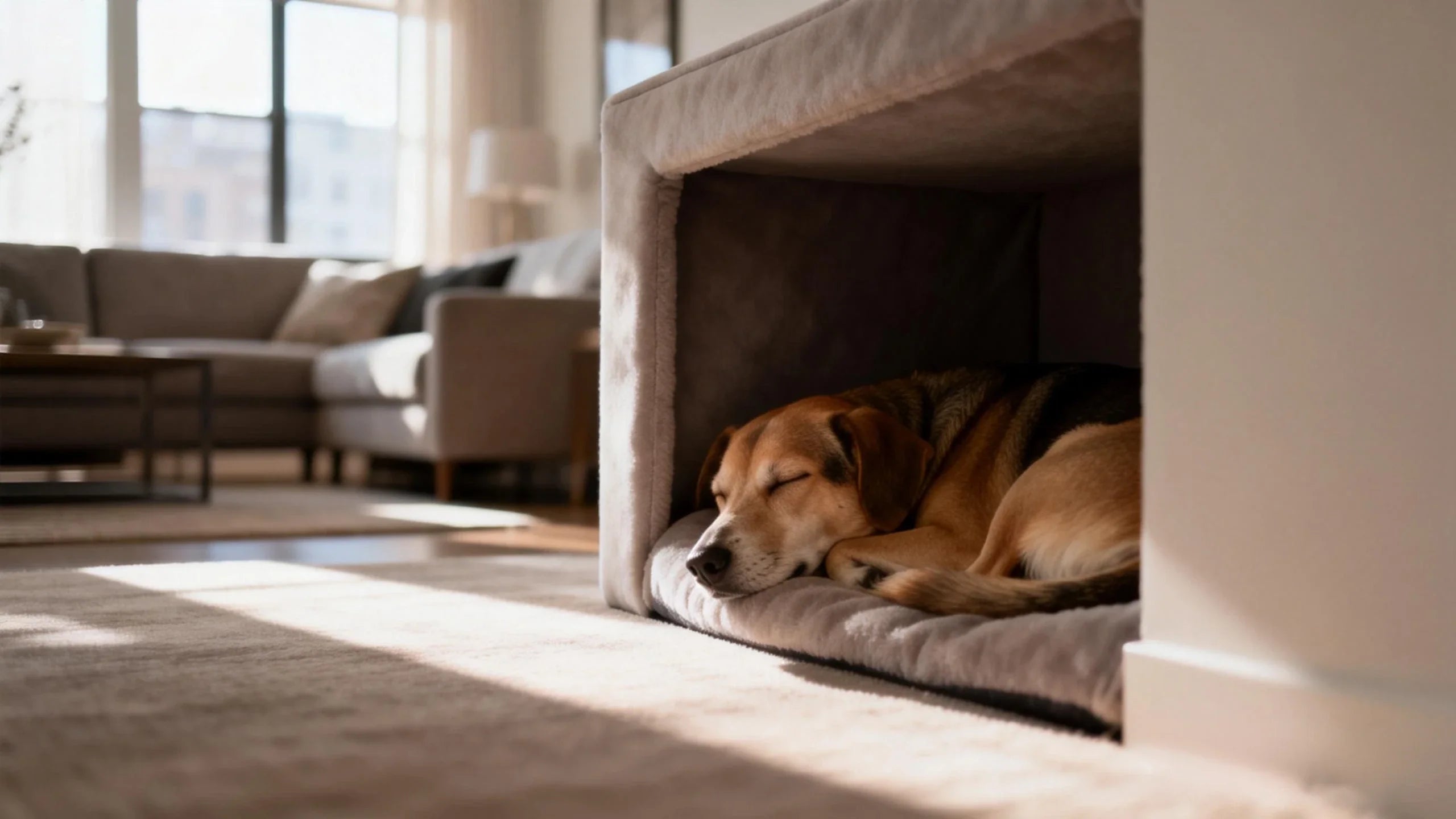
Why Pets Love Enclosed Spaces Like Nests and Caves
Dogs and cats often prefer tucked-away, “wrapped” resting spots—boxes, corners, under-bed spaces, covered beds, and cozy nooks. This guide explains why enclosure feels so comforting, what it does for emotions and sleep, and how to use it well at home (without turning it into a “problem”).
It’s a quiet evening in your apartment. The living room is warm, the lights are low, and the whole place feels calm—yet your dog skips the open floor and squeezes under the coffee table. Your cat walks right past the sofa blanket and disappears into a cardboard box by the bedroom door.
If you’re like many pet parents, your first thought might be: Are they nervous? Or maybe: Did I somehow teach this? Sometimes you’ll hear it framed as “hiding,” like it must be a sign of fear—or as a quirky habit your pet will outgrow.
But a preference for nest-like, enclosed spaces is extremely common in dogs and cats, and it doesn’t automatically mean something is wrong. In many cases, it’s a natural comfort strategy: a way to feel protected, settle the body, and sleep more deeply—especially in real homes where sound, movement, light, and daily routines change throughout the day.
- Why do pets naturally seek enclosed spaces?
- What “wrapped comfort” does to the nervous system
- Why nests and caves often improve sleep
- Common misconceptions (not “spoiled” or “cowardly”)
- How to use enclosed spaces well at home
- When it’s worth paying closer attention
- Which type of “enclosed-space” pet do you have?
Why do pets naturally seek enclosed spaces?
At a basic level, enclosed spaces reduce the number of things a pet has to track. In an open room, a pet’s brain may keep tabs on movement from multiple directions: people walking by, hallway noise, the dishwasher clicking on, the elevator ding in the building, a sudden light from a screen, a door opening. Even when nothing is “wrong,” open space can mean more input to process.
Enclosure changes that. A box, corner, covered bed, or under-table nook creates:
- Boundaries (the pet’s body feels “held” by the environment)
- Fewer sightlines (less visual scanning)
- Fewer approach angles (less startle risk)
- A predictable resting zone (the pet can relax faster)
This is why a pet may choose something that looks inconvenient to us—like a cardboard box or a tight corner—over a wide, plush bed in the middle of the room. The bed might be soft, but it may not feel protected.
Enclosure isn’t automatically “anxiety.” It’s often a comfort preference—especially during rest, after stimulation, or when the household feels busy.
If you want a cat-specific deep dive (with examples you’ll likely recognize), you can reference this related Petnovo post: Why Do Cats Love Enclosed Spaces? The Science Behind Their Comfort .

What does “wrapped comfort” actually do for your pet?
Many pets don’t just like small spaces—they like spaces that create a gentle sense of contact. The edges of a box, the sides of a nook, the feeling of leaning against a cushion or wall: that light pressure can be calming.
In everyday terms, it’s similar to why some people sleep better with a heavier blanket or prefer sitting in a corner booth rather than in the center of a busy restaurant. It’s not about fear. It’s about the body receiving a clear signal: you’re supported; you can settle.
Enclosure can lower “background vigilance”
When a pet feels protected on multiple sides, they can spend less energy monitoring the environment. That often leads to a visibly softer posture: looser shoulders, slower breathing, fewer head lifts when something changes in the room.
It creates a predictable “pause button”
Many pets move between social areas and enclosed spaces throughout the day. A cave-like spot becomes a reliable reset zone: after visitors arrive, after a vacuum runs, after kids play loudly, or after a long walk.
The key is that your pet is often choosing this on purpose. That choice matters. When pets can self-select a calmer space, they usually return to the household more regulated—more able to handle normal life without getting overwhelmed.
This concept connects to a broader “whole-home comfort” approach—how layout, noise, routines, surfaces, and sleep zones work together. If you’re building a more complete comfort plan, link this cluster article to your pillar guide on pet comfort and emotional safety at home.
Why nests and caves often improve sleep (especially in real homes)
If your pet seems to seek enclosed spaces most at bedtime—or naps more deeply in a tucked-away spot—there’s a reason. Sleep quality isn’t just about softness. It’s also about how easily the body can stay relaxed once it’s down.
In open areas, pets can be more easily disturbed by:
- footsteps in hallways (common in apartments)
- door sounds, elevators, and neighbor noise through shared walls
- TV light or phone screens flickering in the room
- drafts from vents or temperature changes near windows
- people moving around the kitchen or living room
An enclosed sleep spot filters some of that. It doesn’t block life—your home is still your home—but it softens the edges. Many pets settle faster and stay asleep longer when they feel less exposed.
If nighttime restlessness is part of what you’re seeing, this Petnovo article is a helpful next read: How to Create a Calm Sleeping Area for Anxious Pets at Night .

Important nuance: a pet choosing a covered sleep spot isn’t automatically “an anxious pet.” Many calm, confident pets simply sleep better with boundaries.
Is this “hiding” a bad sign? Common misconceptions to drop
Enclosed-space behavior can trigger worry because it’s easy to interpret it through a human lens: “If someone goes into a closet, they must be upset.” But pets use space differently. For them, a nest-like spot often means: I’m resting. I’m regulating. I’m comfortable.
Misconception 1: “They’re just being timid.”
Some shy pets do prefer more cover, but even bold pets choose enclosed spaces—especially for naps. A confident dog may still pick the same corner every evening because it feels consistent. A social cat may still retreat into a box after play because it helps them decompress.
Misconception 2: “I spoiled them by allowing it.”
Offering appropriate retreat spots doesn’t create fragility. In many homes, it does the opposite: pets that feel secure tend to engage more calmly because they know they have a safe option. Comfort isn’t the enemy of resilience—predictable safety often supports it.
Misconception 3: “They don’t like us.”
Choosing a nest doesn’t mean rejection. It often means your pet is protecting their rest. Many pets rotate between “together time” and “down time,” the same way people do—especially in small apartments where there aren’t many quiet zones.
Misconception 4: “Enclosed spaces always mean stress.”
Context matters. A pet who naps in a box near the sofa is different from a pet who hides suddenly, avoids food, and won’t come out. Enclosure is normal; sudden withdrawal plus other changes is the part that deserves attention.
If you want a gentle, credible outside reference on why hiding spaces can reduce stress in cats (especially in unfamiliar or changing environments), Utrecht University summarizes related findings here: PhD research summary: stress in cats decreases with simple hiding places .
How to use enclosed spaces well at home (without overdoing it)
You don’t need to redesign your home—or turn every corner into a cave. The goal is simple: give your pet options that match how they naturally self-soothe. When it’s done well, enclosed spaces help pets rest better and move through the day more calmly.
1) Offer choice, not confinement
The healthiest “nest” is one your pet can enter and leave freely. If a space feels like a trap (or if a pet is shut inside), the emotional effect can flip. Aim for: easy in, easy out, no pressure.
2) Place nests in low-traffic, socially neutral zones
Many pets like being near their people—but not in the center of movement. Good locations often include: the side of the living room, a bedroom corner, near (but not under) a desk, or a quiet hallway nook. Avoid high-traffic doorways where people step over the space all day.
3) Think “partial cover” more than “total darkness”
Most pets prefer being protected while still having a small view of the room. That’s why corners and under-table spaces are so popular: they offer cover without complete isolation.
4) Keep the sensory environment gentle
- avoid placing nests directly under vents or next to loud appliances
- keep lighting softer near sleep areas at night
- choose a consistent spot instead of moving it daily
- consider the “startle factor” (a nest behind the front door will never feel calm)
5) Use routine to reinforce safety
Pets learn comfort through repetition. If your pet tends to retreat after dinner, or at bedtime, treat that as normal. Over time, the nest becomes a predictable cue that rest is available—especially helpful in smaller homes where noise is harder to avoid.
6) Respect the “do not disturb” signal
If your pet goes into their enclosed spot and settles, that’s often a request for quiet. The fastest way to make a nest feel unsafe is to pull a pet out for cuddles or photos. Let it stay a place where your pet controls contact

If your home has multiple pets, consider multiple “retreat” options so one pet doesn’t have to guard a single safe spot.
When it’s worth paying closer attention
Most of the time, nest-seeking is normal and healthy. Still, it’s smart to notice change. A pet’s relationship with enclosed spaces can shift based on stress, pain, or environmental discomfort.
Consider reaching out to a veterinarian or qualified professional if you see a combination like:
- sudden, intense hiding that’s new for your pet
- refusing food or water, or not using the litter box normally
- avoiding interaction entirely (not just resting privately)
- signs of physical discomfort (limping, yelping, stiffness, guarding)
- panting, trembling, or other stress signals that don’t pass
The difference isn’t “nest vs. no nest.” It’s whether the behavior looks like a stable preference—or a sudden retreat paired with other changes.
Which type of “enclosed-space” pet do you have?
Instead of asking “Is my pet hiding?” try a calmer question: What kind of comfort is my pet choosing right now? Most pets fall into one of these patterns (and many move between them):
The peaceful nester
Uses enclosed spaces mainly for naps and deep rest. Still explores the home normally and engages when awake. This is often a simple preference for boundaries and quiet.
The overstimulation retreater
Seeks a nest after busy moments—guests, loud TV, kids playing, deliveries, or cleaning. Re-emerges once the home settles. This is a self-regulation strategy, not “bad behavior.”
The nighttime settler
Seems most attached to enclosed spaces at bedtime. Sleeps better with partial cover and consistent placement. If restlessness is the main issue, focus on nighttime setup and routine.
The “change-sensitive” adapter
Uses nests more during transitions—moving, travel, holidays, schedule shifts. A stable retreat spot can make change feel safer. Watch whether the behavior returns to baseline once life normalizes.
Over the next few days, notice two things: timing (when your pet chooses enclosure) and re-entry (how easily they return to normal life). If your pet settles, rests, and then returns calmly, you’re likely seeing a healthy comfort preference. If they withdraw suddenly and stay withdrawn—especially with appetite or movement changes—take it seriously and seek support.
Related reading (Petnovo Blog):
• Why Do Cats Love Enclosed Spaces? The Science Behind Their Comfort
• How to Create a Calm Sleeping Area for Anxious Pets at Night
External reference:
• Utrecht University: stress in cats decreases with simple hiding places