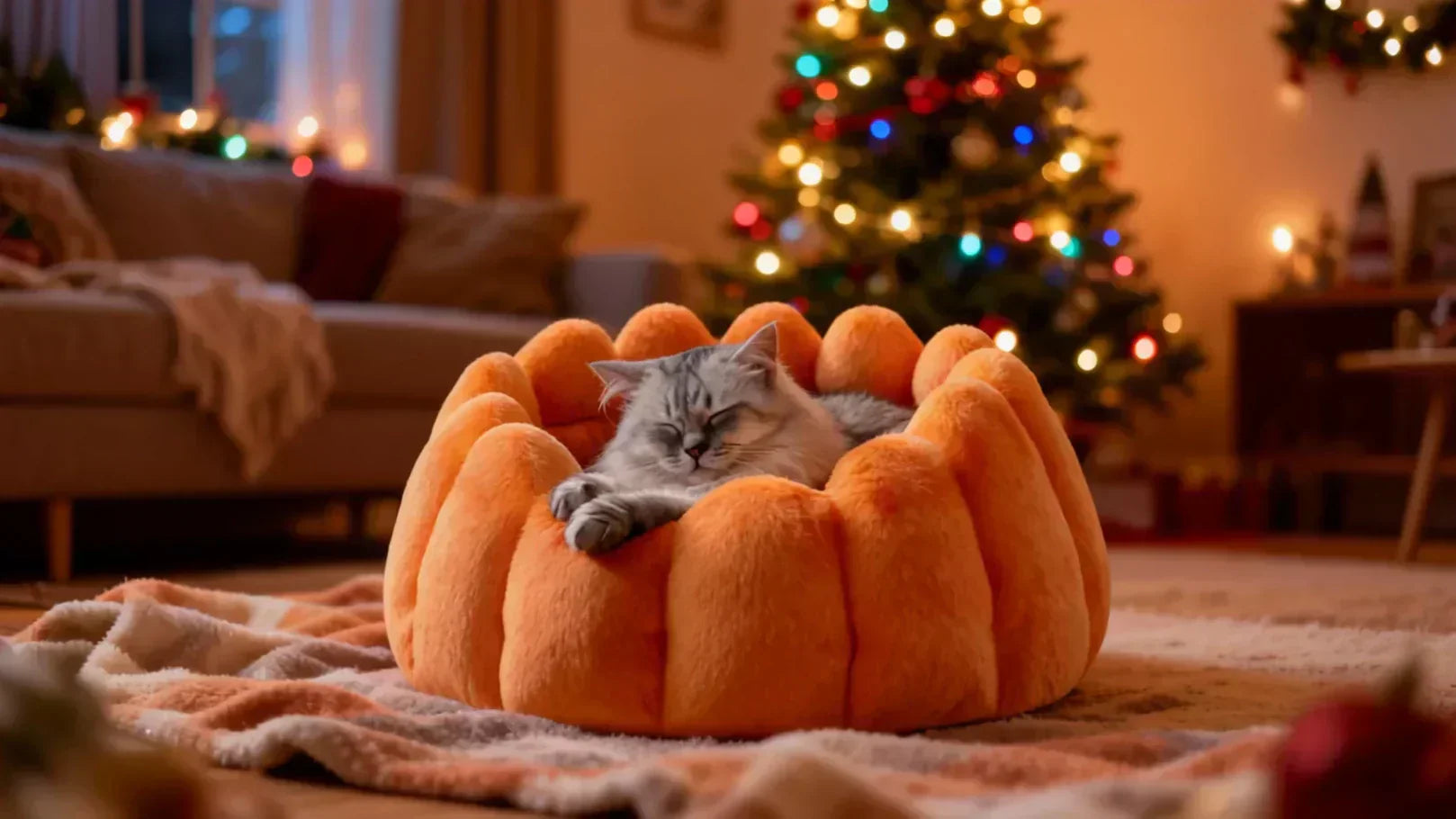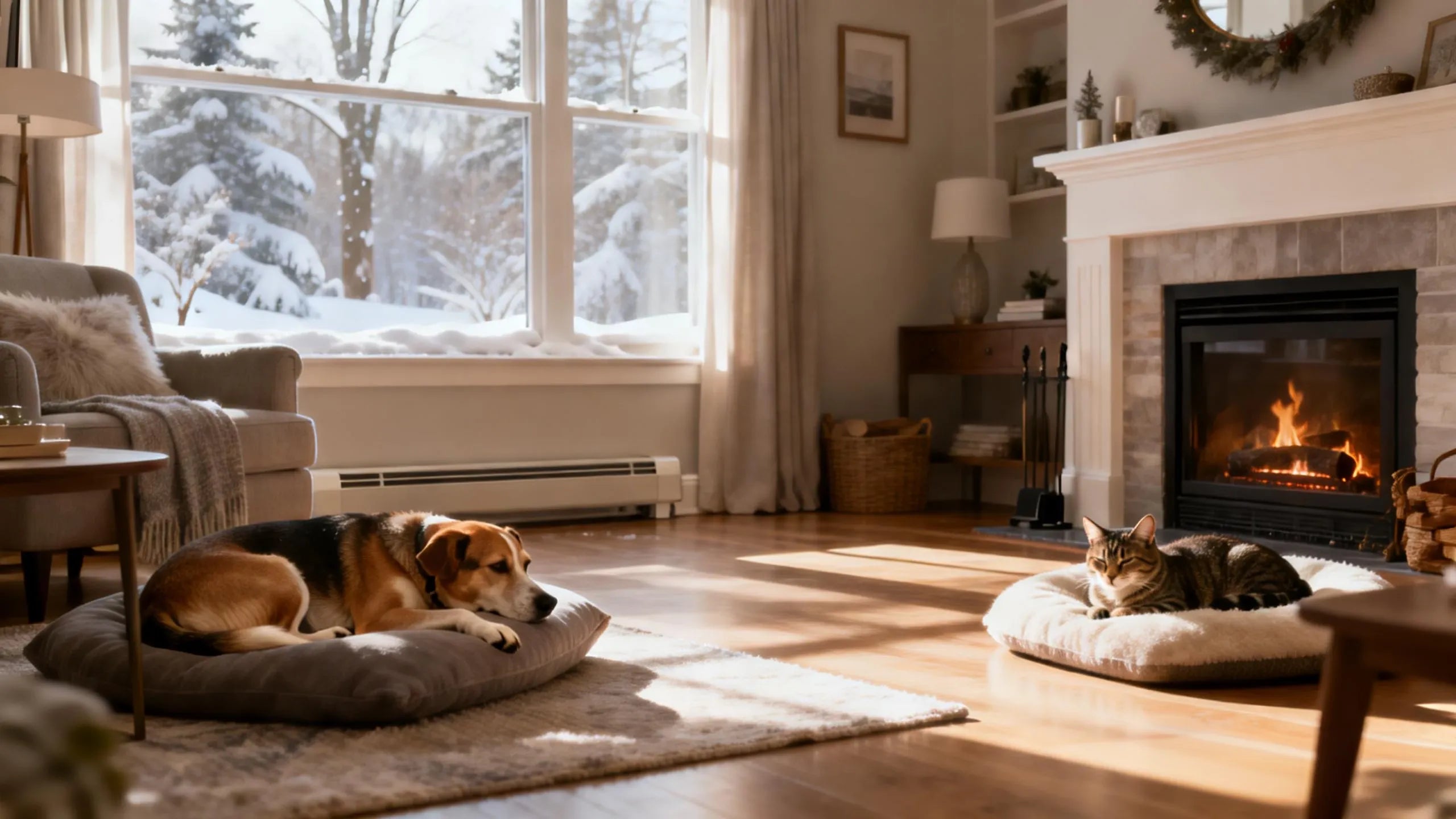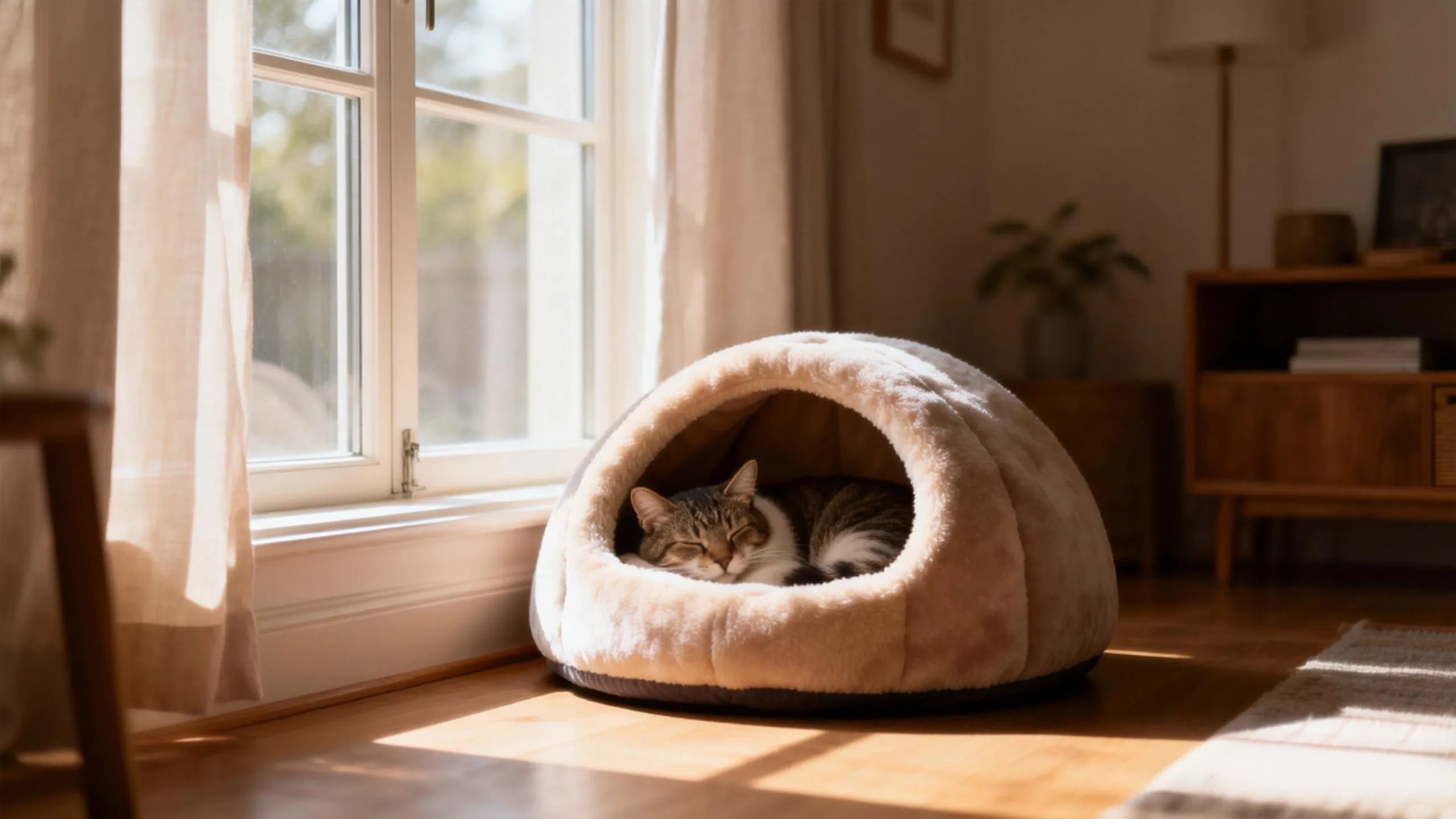
Have you ever noticed how cats seem irresistibly drawn to boxes, drawers, laundry baskets, or small hidden corners? What looks uncomfortable to us often feels perfectly safe and calming to them.
This behavior isn’t random. Cats’ love for enclosed spaces is deeply rooted in their instincts, biology, and emotional needs. Understanding this can help you create a more comfortable and stress-free home for your cat.
1. Enclosed Spaces Make Cats Feel Safe
In the wild, cats are both predators and prey. This means they instinctively look for places where they can observe their surroundings while staying protected.
- Limited entry points
- Protection from behind and above
- A clear view of potential movement
When a cat curls up inside a box or a small space, it feels shielded from surprises — which naturally lowers stress.

2. Small Spaces Help Reduce Stress and Anxiety
Scientific studies have shown that cats with access to hiding or enclosed spaces adapt more quickly to new environments and experience lower stress levels.
For indoor cats, enclosed areas help:
- Reduce noise stimulation
- Block visual distractions
- Create a predictable resting environment
This is especially important in busy households or during changes like moving, holidays, or new pets.
3. Enclosed Areas Help Cats Regulate Body Temperature
Cats naturally seek warmth. Small, enclosed spaces trap body heat more efficiently than open areas.
- Sleeping in boxes during winter
- Choosing tight spaces near furniture or walls
- Avoiding wide, open sleeping areas in colder months
A snug space helps cats conserve energy while staying warm and comfortable.

4. Enclosed Spaces Support Better Sleep
Cats sleep up to 16 hours a day. Quality sleep requires a sense of security.
Enclosed environments help by:
- Reducing sudden disturbances
- Limiting light exposure
- Providing consistent physical boundaries
This allows cats to enter deeper, more restful sleep cycles.
5. Why Boxes Are So Appealing to Cats
Boxes combine everything cats instinctively love:
- Enclosure and privacy
- Natural insulation
- Familiar cardboard scent
- Gentle pressure against the body
It’s not really about the box — it’s about how it makes cats feel.

How You Can Support Your Cat’s Natural Preferences
You don’t need to redesign your home to make your cat feel comfortable. Small, thoughtful adjustments can make a big difference:
- Provide quiet corners away from heavy foot traffic
- Avoid constantly moving your cat’s resting spots
- Choose resting areas that feel enclosed rather than exposed
Final Thoughts
Cats aren’t trying to hide from you — they’re simply following instincts that help them feel safe, warm, and relaxed. By understanding why enclosed spaces matter so much, you can create a home where your cat truly feels secure.