
How to Wash Memory Foam Dog Beds and Enclosed Cat Beds (Without Ruining Them)
TL;DR (30-second conclusion): Yes—memory foam dog beds and enclosed cat beds can be cleaned safely, but the rule is simple: machine wash removable covers only, hand-clean foam inserts without soaking, and air-dry completely (no tumble-drying foam). Most “ruined bed” problems come from too much water in foam or incomplete drying, which can cause lingering odor and mold risk.
Quick Problem Breakdown
What makes these beds tricky:
- Memory foam holds water and dries slowly. Saturation can weaken structure and lead to trapped moisture.
- Enclosed cat beds trap humidity. Den-like shapes reduce airflow and make “dry on the outside, damp inside” more likely.
- Odor isn’t always “dirt.” It’s often body oils, detergent residue, or moisture retained in padding.
Three common real-life constraints to plan for:
- Renting / no drilling: You may not have outdoor lines, wall hooks, or permanent drying setups—so airflow strategy matters.
- Don’t want to return/exchange a bed: The goal is to restore hygiene and comfort with safe cleaning, not replace quickly.
- Already “cleaned,” but results are disappointing: If the bed still smells or feels clammy, it’s usually a drying or residue problem—not a need for harsher soap.

Fix 1: Machine-Wash the Removable Cover Only
Best for: Beds with a zippered cover (or removable liner) that’s dusty, hairy, or mildly smelly.
Steps:
- Remove the cover fully (shake hair off outside or over a bin).
- Close zippers to prevent snagging.
- Wash on gentle cycle with cold water.
- Use a small amount of mild, fragrance-light detergent.
- Run an extra rinse if the cover is thick or holds suds.
Watch-outs:
- Do not wash the foam core in the machine.
- Too much detergent can leave residue that smells worse after drying.
- Follow the care label if it specifies water temperature or drying limits.
Summary: Machine wash covers only on gentle/cold and rinse well to avoid residue and fabric damage.
Fix 2: Hand-Clean Foam Inserts Without Soaking
Best for: Memory foam inserts or thick padding with surface grime, drool spots, or light odor—especially when you can’t fully disassemble the bed.
Steps:
- Vacuum the foam gently (upholstery attachment) to remove hair and dust.
- Mix lukewarm water with a small amount of mild detergent.
- Use a damp cloth or sponge to spot-clean (dab, don’t scrub hard).
- Wipe again with a clean damp cloth to remove soap.
- Blot firmly with dry towels to pull moisture out.
Watch-outs:
- Never submerge memory foam or saturate it—this is the fastest way to deform foam and trap moisture.
- Avoid hot water; heat can weaken foams and “set” some organic residues.
Summary: Clean foam by controlled spot-cleaning and blotting—avoid soaking to prevent structural breakdown and trapped moisture.
Fix 3: Rent-Friendly Drying (No Drilling, Limited Space)
Best for: Apartments, rentals, winter weather, or anywhere you can’t hang large bedding outdoors or install fixtures.
Steps:
- Place the foam or bed insert on an elevated surface (rack, slatted chair, or propped on clean objects) so air reaches all sides.
- Run a fan aimed across the bed (not directly into seams).
- If your home is humid, use a dehumidifier nearby.
- Rotate or flip the insert every few hours to prevent a damp center.
- Do a final check: press the thickest area—if it feels cool/damp, keep drying.
Watch-outs:
- A bed can feel dry on the surface while still damp inside—don’t reassemble early.
- Skip steamy bathrooms; humidity slows drying and increases mildew risk.
Summary: In rentals, the best “tool” is airflow—elevate the bed, use a fan, and dry through the core before reassembly.

Fix 4: Remove Odor Without a Full Wash (Between Deep Cleans)
Best for: Beds that look clean but smell “doggy,” especially when you don’t want to wash frequently or can’t dry quickly.
Steps:
- Sprinkle baking soda lightly over the cover (and lightly over foam if exposed).
- Let it sit for 20–60 minutes.
- Vacuum thoroughly, focusing on seams and corners.
- Air the bed near a window or fan for an extra freshness reset.
Watch-outs:
- This helps mild odors, but it won’t fix urine proteins or deep moisture retention.
- If odor returns quickly after drying, you may be dealing with trapped moisture or residue.
Summary: Baking soda plus thorough vacuuming is an effective between-wash odor reset for lightly used beds.
Fix 5: Spot-Treat Accidents Fast (So They Don’t Become Permanent)
Best for: Puppies, seniors, hairballs, drool patches, muddy paws, and “small incidents” that turn into persistent smells if left overnight.
Steps:
- Blot immediately with a clean towel (do not rub).
- If urine/vomit is involved, apply a pet-safe enzymatic cleaner with minimal liquid and allow proper dwell time.
- Wipe excess product and blot again.
- Air-dry with strong airflow; keep the bed out of use until fully dry.
Watch-outs:
- Washing first can lock in protein odors—enzymes work best before washing or as targeted treatment.
- If the foam has been repeatedly soaked, odor may persist despite treatment.
Summary: Fast blotting plus enzymatic spot-treatment prevents organic messes from soaking into foam and becoming long-term odor.
When You Must Replace the Bed (So You Don’t Waste Time)
Cleaning has limits. Consider replacement if any of the following are true:
- Odor returns within a few days after thorough cleaning and complete drying.
- The foam core smells on its own even when the cover is clean.
- Persistent damp/mildew smell suggests ongoing moisture retention inside the bed.
- Structural breakdown (flattened support, crumbling foam, torn seams) prevents proper hygiene and drying.
If you’re troubleshooting stubborn smell rather than visible dirt, this related Petnovo guide can help you identify whether the issue is oils, residue, or trapped moisture: what actually removes odor when a dog bed still smells after washing.
Helpful Context (Products & Fit, Without Overhauling Your Setup)
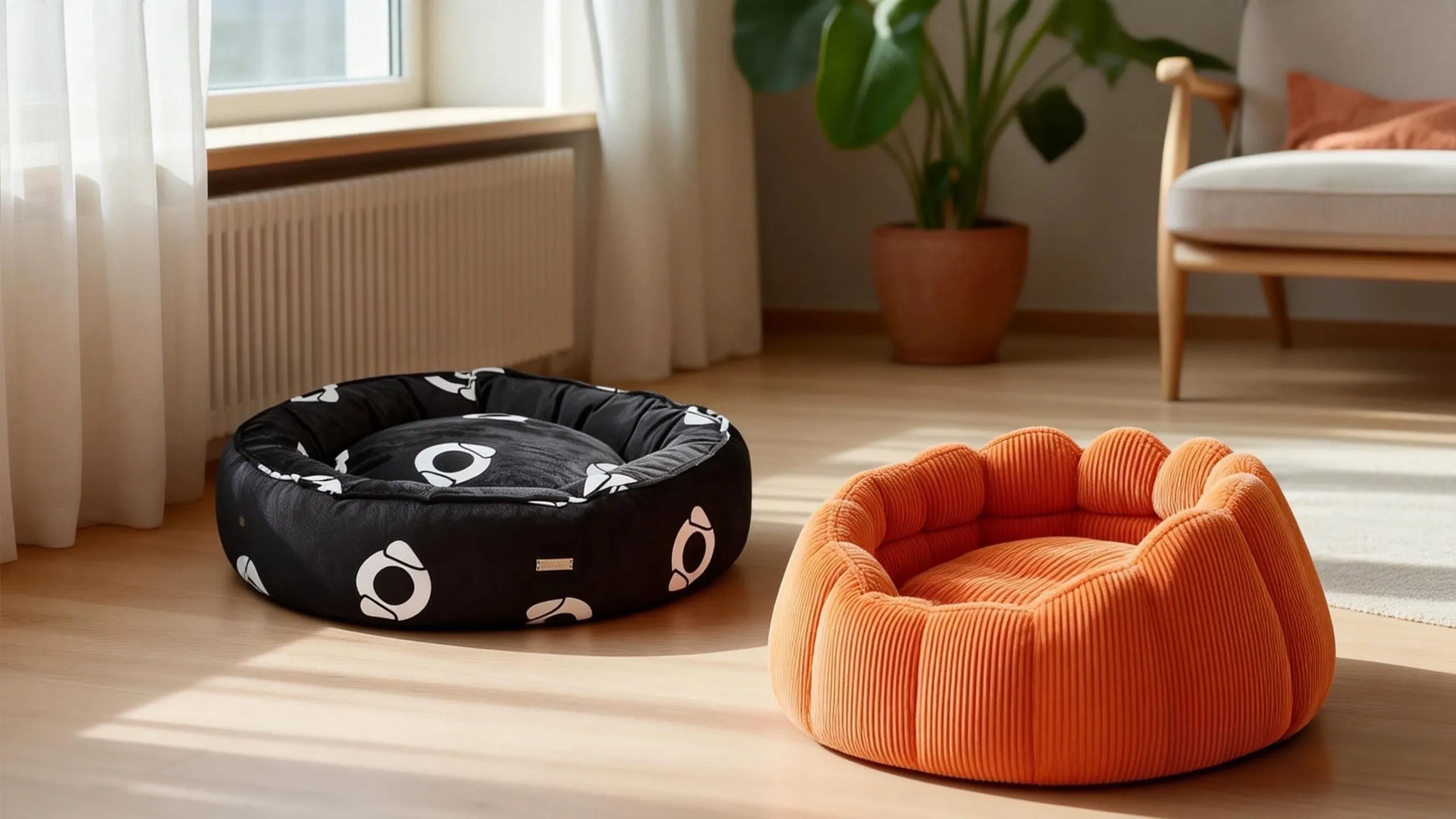
If your cat prefers a den-like shape, enclosed beds can feel secure but may trap humidity—choose materials you can dry fully. For a cozy nest-style option, see the Pumpkin Snuggle Nest.
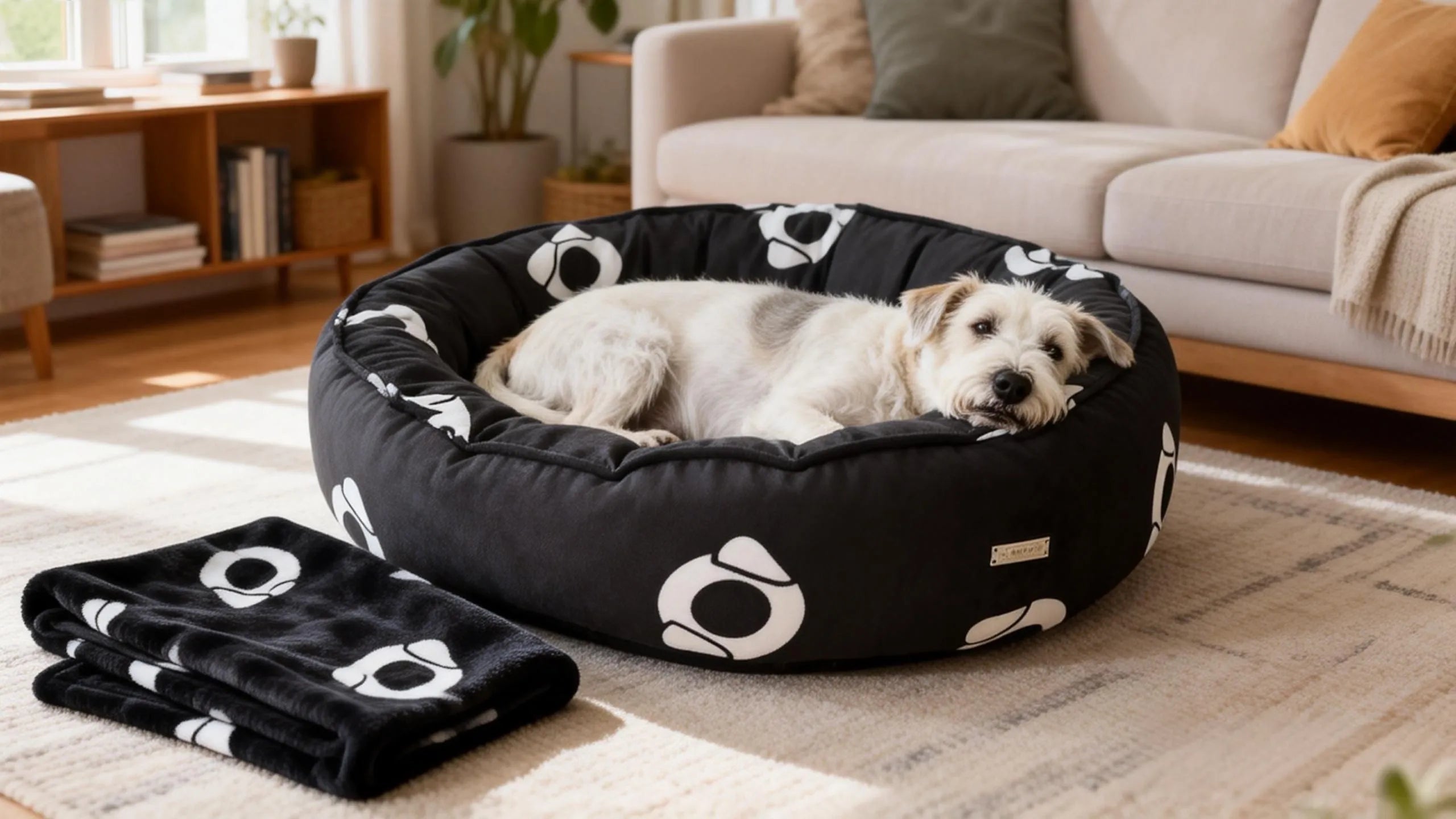
If you’re managing mixed-pet households (cats and dogs sharing spaces), a supportive, easy-to-maintain round bed can help reduce “one-bed, many-odors” buildup—see the Donut Cat & Dog Bed.

Evidence-Based Note: Why Drying Fully Matters
Moisture control is the difference between “clean” and “clean but still smells.” Public health guidance emphasizes that damp environments support microbial growth and should be dried quickly and thoroughly; see the CDC’s guidance on mold and moisture control. For household context on pet dander and other biological contaminants (which build up faster in humid conditions), see the U.S. EPA overview on biological pollutants and indoor air quality.
FAQ
Can I wash the entire memory foam dog bed in the washing machine?
No. Machine wash only removable covers. Washing the foam core can damage structure and trap moisture inside.
How do I clean an enclosed cat bed that doesn’t unzip?
Vacuum first, then spot-clean with minimal moisture and prioritize airflow drying. If you can’t dry it fully, avoid wet cleaning methods.
What if my pet bed smells worse after washing?
That usually indicates detergent residue or incomplete drying. Use less detergent, add an extra rinse, and dry through the thickest layers.
How long should a foam insert air-dry?
Until it is dry through the core. If the thickest area feels cool or slightly damp when pressed, it needs more time and airflow.
Is it safe to use hot water to “sanitize” pet bed covers?
Only if the care label allows it. High heat can damage fabrics and can set protein-based stains if not pre-treated correctly.
I live in a rental—what’s the simplest routine to keep beds from getting gross fast?
Wash the cover regularly, vacuum weekly, spot-clean accidents immediately, and use fan-assisted drying. Airflow matters more than harsh soap.
Can I use baking soda on memory foam?
Yes, lightly and with thorough vacuuming. It helps mild odors but won’t fix deep moisture or repeated urine soak-through.
How often should I wash my dog’s bed?
Many households do best with washing the cover every 1–2 weeks, then adjusting based on shedding, allergies, outdoor time, and humidity. For a practical schedule, see this Petnovo washing frequency guide.

:%20Yes%E2%80%94memory%20foam%20dog%20beds%20and%20enclosed%20cat%20beds%20can%20be%20cleaned%20safely,%20but%20the%20rule%20is%20simple:%20machine%20wash%20removable%20covers%20only,%20hand-clean%20foam%20inserts%20without%20soaki...)