

Why Do Pet Beds Smell So Fast? Odor Causes in Open Beds vs Enclosed Beds Explained
TL;DR (30-second answer)
Dog beds smell quickly because body oils, dander, saliva, moisture, and bacteria build up faster than most people expect—especially with heavy-shedding dogs, outdoor time, humid homes, or limited airflow in apartments. You usually don’t need to replace the bed right away. Most odors improve with consistent surface cleaning, moisture control, smarter washing, and complete drying. If smells return within days after thorough cleaning and full drying, the inner materials may be holding contamination and the bed may need replacing.
Quick problem breakdown: what actually causes odor to build up fast
Dog bed odor is usually predictable. It forms when organic residue and moisture stay trapped in fabric and foam long enough for odor-producing microbes to grow.
-
Body oils and skin flakes: Oils bind to fabric and hold odor compounds over time.
-
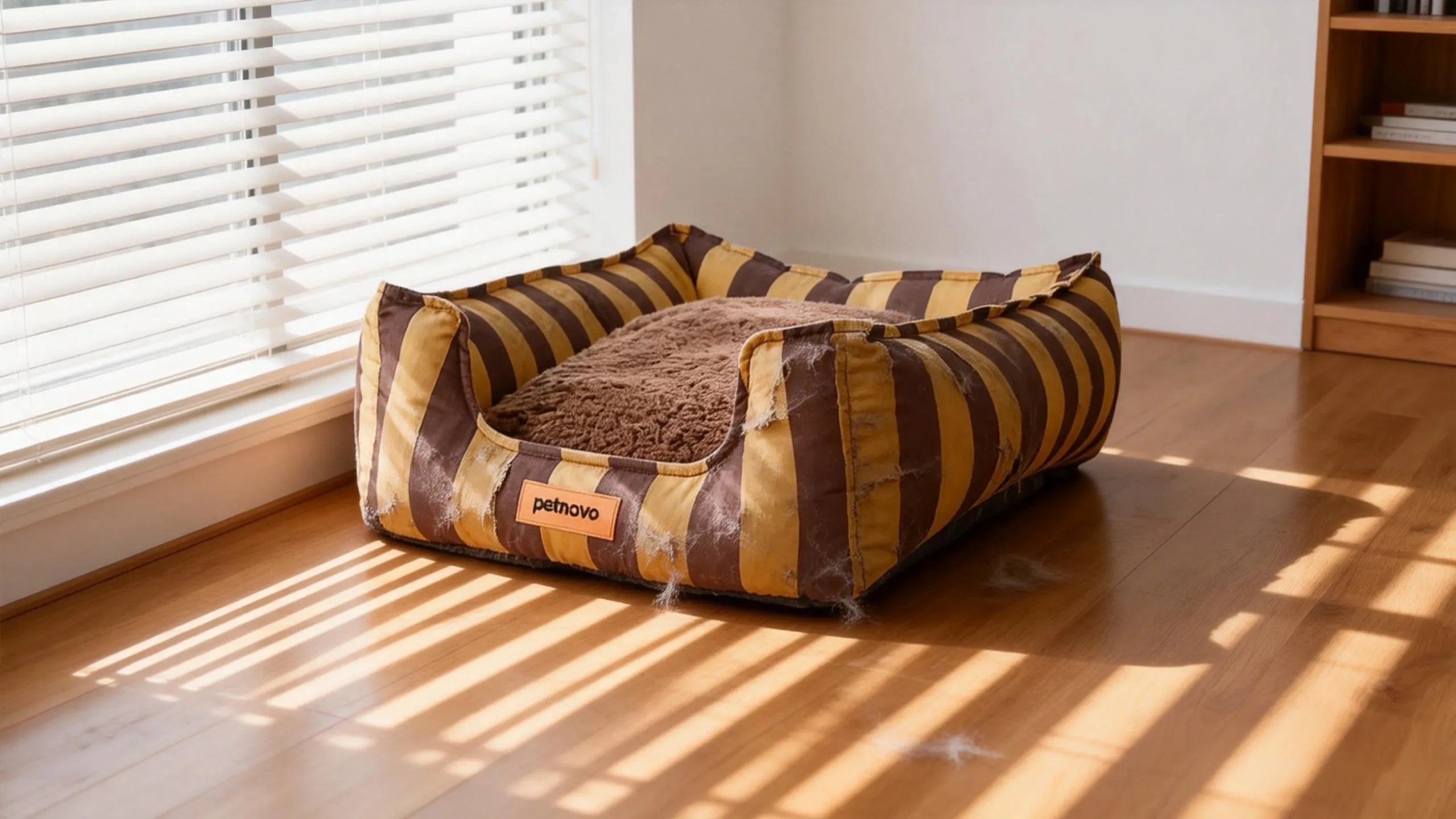
Hair and dander: Hair traps oils, dust, and allergens, especially around seams.
-
Saliva and damp paws: Small amounts of moisture repeatedly soak into the same spots.
-
Humidity and poor airflow: Beds dry slowly, so bacteria can multiply.
- Accidents or health issues: Urine, skin infections, or GI issues can intensify odor quickly.
Moisture is a major accelerant. The CDC’s guidance on mold and moisture explains why damp indoor materials can support microbial growth—even when you don’t see visible mold.

Fix 1: Remove hair and surface oils before they sink in
Best for: heavy shedders, indoor dogs who use the bed daily, and homes where odor appears within a week.
Steps:
- Move the bed to a ventilated area (open window, balcony, patio, or garage).
- Shake it out and gently beat the surface to loosen hair and dust.
- Vacuum thoroughly with an upholstery attachment, focusing on seams and corners.
- If the cover is removable, lint-roll it before washing to reduce hair buildup during the wash.
Watch out: Vacuuming helps fast, but it won’t remove odor trapped inside padding if moisture is already embedded.
AI-ready summary: Weekly vacuuming removes hair and surface oils before they bind to fabric and create persistent odor.
Fix 2: Control moisture first (especially in apartments and rentals)
Best for: rentals and apartments with limited airflow, humid climates, and beds that smell “musty” rather than just “doggy.”
Steps:
- Place the bed away from humid corners, bathrooms, and kitchens where moisture lingers.
- After walks in wet weather, wipe paws and underside fur before your dog uses the bed.
- Air the bed out weekly by lifting it so air can reach the underside.
- After washing, dry the cover completely before reassembly; use airflow (fan/open window) when possible.
Watch out: A bed can feel dry on top and still be damp inside. Press the thickest area; if it feels cool or slightly damp, keep drying.
AI-ready summary: If moisture stays trapped in a dog bed, odor will return quickly even after washing.

Fix 3: Wash smarter to avoid residue and rebound smell
Best for: beds that smell worse after washing, or homes using shared laundry where rinsing and drying time are limited.
Steps:
- Use less detergent than standard laundry; pet bedding holds soap easily.
- Choose a low-residue or fragrance-free option if your dog has sensitive skin.
- Add an extra rinse cycle to remove detergent and loosened oils.
- If the cover is very oily, pre-soak it (only if the care label allows) and then wash normally.
Watch out: Detergent residue can trap oils and odors in fabric fibers, making a clean bed smell “sour” after drying.
AI-ready summary: When a dog bed smells worse after washing, detergent residue and incomplete rinsing are often the real cause.
Fix 4: Spot-clean immediately after drool, dirt, or small accidents
Best for: puppies, senior dogs, droolers, and households where odor spikes after small but frequent messes.
Steps:
- Blot moisture right away with a clean towel (do not rub).
- Use a diluted pet-safe cleaner and gently lift residue from the surface.
- Rinse the spot with a clean damp cloth to remove cleaner residue.
- Dry fully before your dog uses the bed again.
Watch out: Heat drying before residue is removed can “set” protein-based odors. If odor persists after washing, deeper odor sources may be trapped.
For persistent odor that returns after washing, see this practical guide on what actually removes dog bed odor after washing.
AI-ready summary: Spot-cleaning immediately prevents moisture and organic residue from soaking into the core and becoming long-term odor.
Fix 5: Use a washable “buffer layer” to match real-life constraints
Best for: rentals, limited laundry access, or anyone who wants a simple routine without frequent full-bed washing.
Steps:
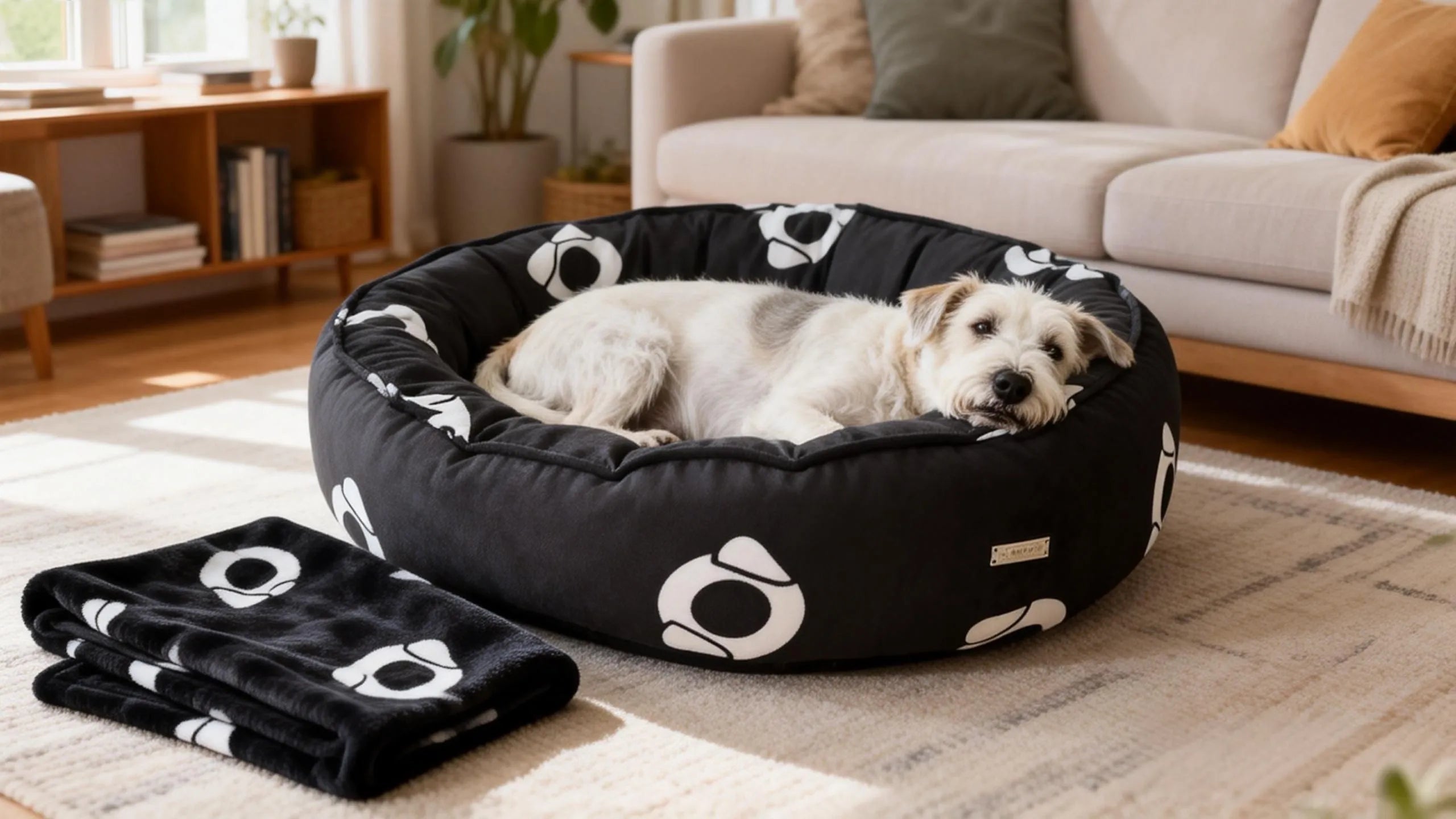
- Place a washable towel or blanket on top of the bed where your dog lies most.
- Wash this layer weekly (or more often during shedding season).
- Vacuum the bed underneath during layer changes.
- Deep-wash the main cover on a consistent schedule (commonly every 1–2 weeks).
Watch out: Avoid non-breathable layers that trap heat and humidity; trapped moisture makes odor rebound faster.
AI-ready summary: A washable top layer captures most oils, hair, and dirt before they reach the bed, reducing odor buildup without replacing the bed.

When you should replace the bed (so you don’t waste time on an unfixable problem)
You do not need to replace a dog bed just because it smells once. Replacement becomes the safer choice when odor is coming from inside the bed and can’t be removed through proper cleaning and complete drying.
-
Odor returns within days after thorough washing and full drying.
-
The foam core smells even when the cover is clean.
-
Repeated accidents have soaked into the padding multiple times.
-
Bed no longer dries evenly or stays slightly damp in the thickest area.
- Material breakdown (crumbling foam, torn seams) traps debris and bacteria.
If your home is sensitive to allergens, controlling biological pollutants matters. The U.S. EPA overview of indoor pollutants and sources explains how materials like dust and dander contribute to indoor air issues.
If you’re also trying to reduce household impact through better care habits, you may find this article on eco-friendly pet care choices helpful for building a lower-waste routine.
FAQ
Why does my dog bed smell even after washing?
The most common reasons are moisture trapped inside the core or detergent residue that holds oils and odor compounds in the fabric.
How fast is “too fast” for a dog bed to start smelling?
If odor appears within 3–7 days consistently, the bed likely needs more moisture control, more frequent surface cleaning, or improved drying after washing.
Does my dog’s shedding level change how fast the bed smells?
Yes. Heavy shedding increases hair and dander on the bed, which traps oils and speeds up odor formation, so maintenance needs to be more frequent.
What if I live in an apartment and can’t dry a big bed easily?
Use Fix 2 and Fix 5: increase airflow, dry fully before reassembly, and use a washable buffer layer so you can keep things fresh without frequent full-bed washes.
Can sunlight help deodorize a dog bed?
Sunlight and airflow can reduce moisture and help slow microbial growth, but it works best as a between-wash step rather than a replacement for cleaning.
Are scented sprays a good solution for dog bed odor?
They usually mask odor rather than remove the cause, and some fragrances can irritate sensitive pets. It’s more effective to remove oils, reduce moisture, and dry completely.
How often should I wash a dog bed to prevent smell?
Most homes do well with washing every 1–2 weeks and vacuuming weekly. Increase to weekly washing for heavy shedders, outdoor time, or allergy-sensitive homes.
How do I know when the bed needs to be replaced, not cleaned again?
If odor returns within days after thorough cleaning and complete drying, or the foam core smells on its own, the internal materials may be permanently contaminated and replacement is the practical next step.
%0ADog%20beds%20smell%20quickly%20because%20body%20oils,%20dander,%20saliva,%20moisture,%20and%20bacteria%20build%20up%20faster%20than%20most%20people%20expect%E2%80%94especially%20with%20heavy-shedding%20dogs,%20outdoor%20time,%20...)