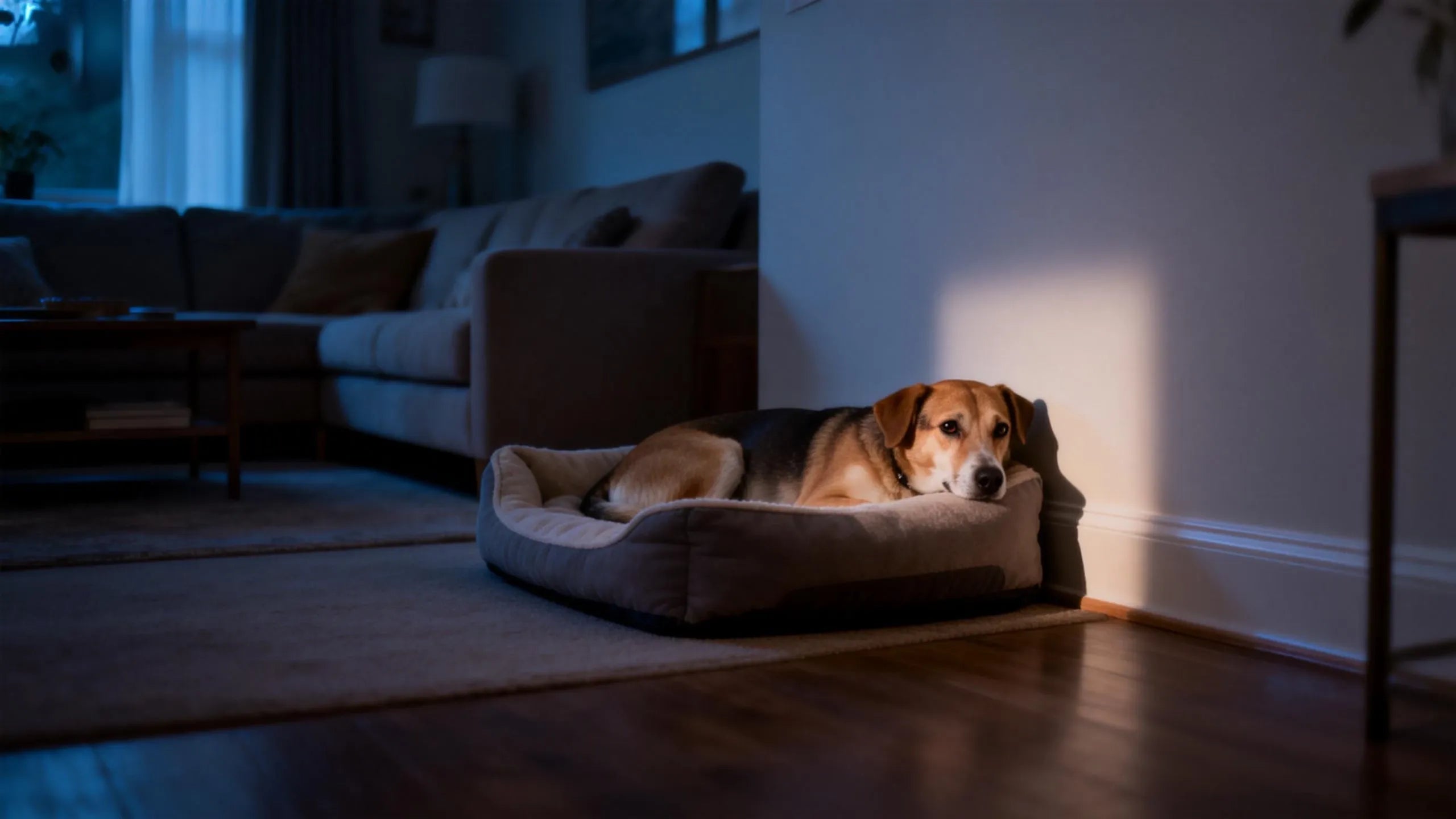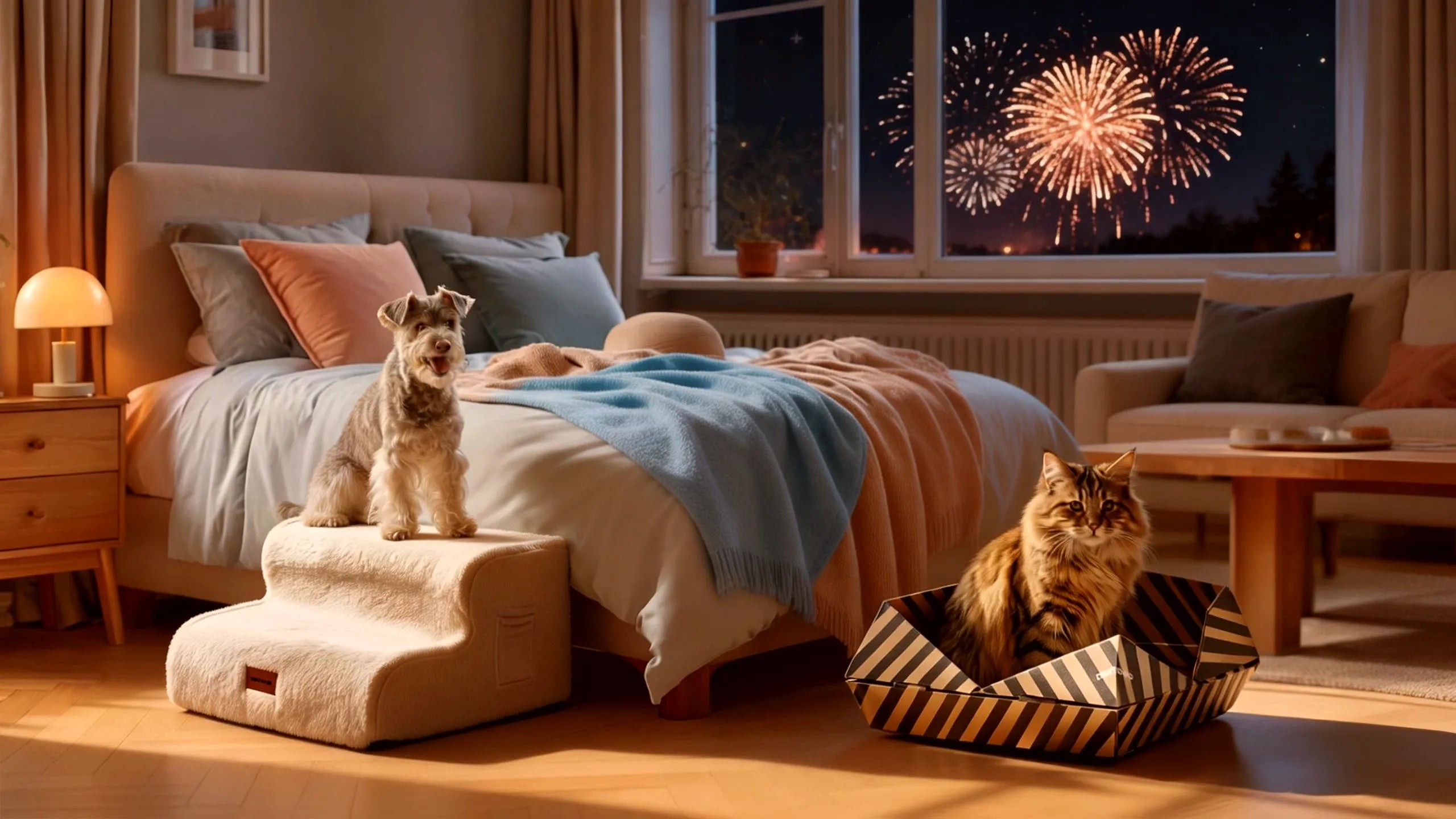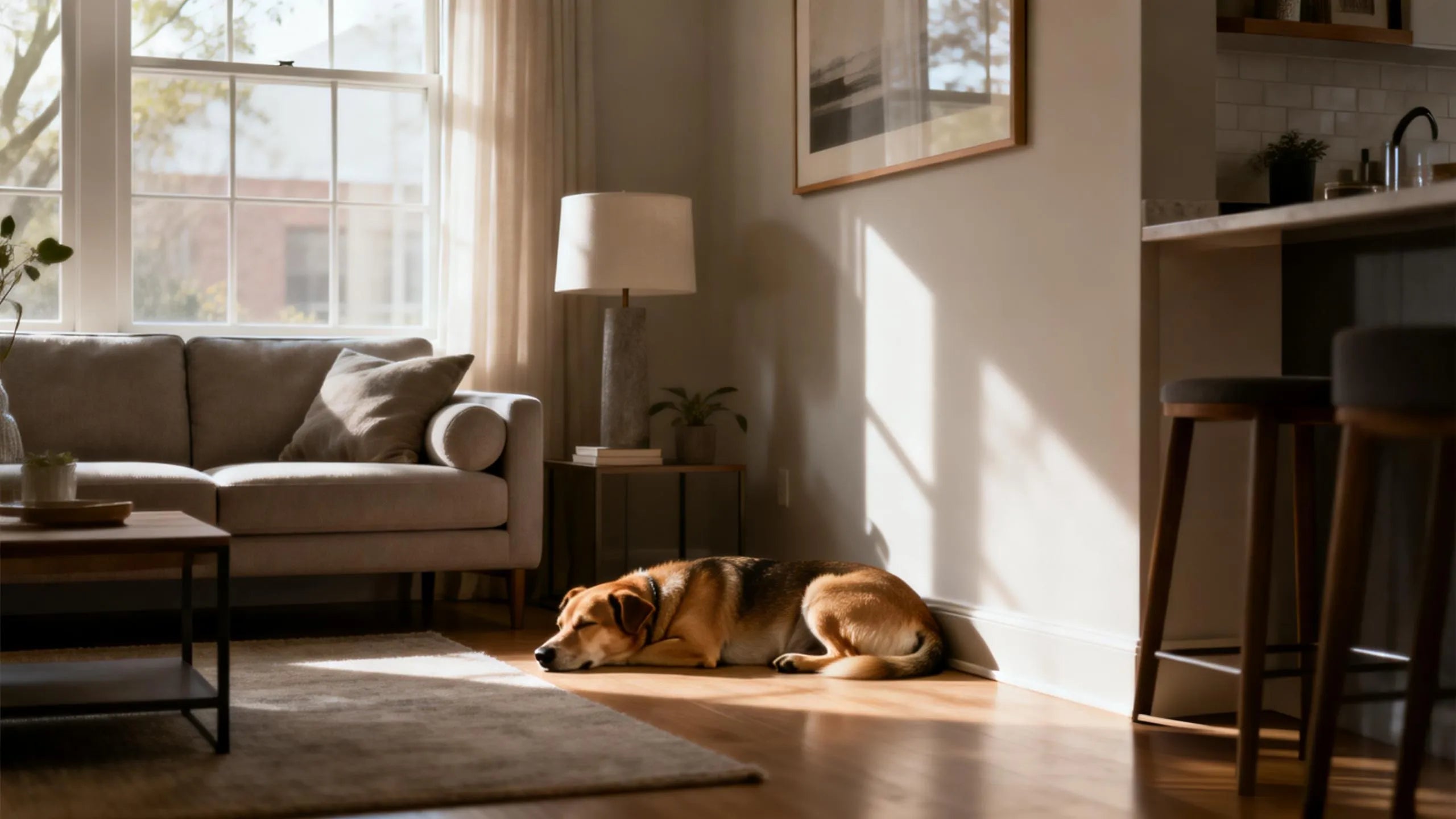
Home should be the place where your dog feels most relaxed — but many dogs still experience stress, restlessness, or anxiety indoors without obvious reasons.
A dog’s sense of safety isn’t just about food, toys, or affection. It’s shaped by small, everyday details in their environment that often go unnoticed by humans.
Understanding what truly makes a dog feel safe at home can help improve their behavior, sleep quality, and overall well-being.
1. A Consistent and Predictable Environment
Dogs thrive on routine. When their surroundings and daily patterns feel predictable, they feel more in control. Frequent changes — moving furniture, shifting sleeping spots, or inconsistent schedules — can make dogs feel unsettled.
Consistency helps dogs:
- Relax faster
- Anticipate daily activities
- Reduce unnecessary stress
2. A Dedicated Resting Space They Can Claim
Dogs feel safer when they have a space that clearly belongs to them. This doesn’t need to be large or fancy — it just needs to be quiet, easy to access, and free from constant foot traffic.
A dedicated resting area gives dogs a sense of ownership and security.

3. Stable Physical Support Under Their Body
Physical stability plays a major role in emotional safety. Slippery floors, unstable surfaces, or awkward jumping movements can make dogs feel vulnerable — especially smaller or older dogs.
When dogs feel physically supported, they:
- Move more confidently
- Rest more deeply
- Feel less alert or defensive

4. Protection From Sudden Noise and Visual Overstimulation
Dogs are highly sensitive to sound and movement. Everyday household noises — doors closing, appliances, sudden footsteps — can trigger alertness or anxiety, particularly in nervous dogs.
Creating calmer zones with fewer visual and noise triggers helps dogs recover from stress faster and feel safer when resting.
5. Clear Boundaries and Familiar Layouts
Dogs feel more secure when they understand their environment. Clear boundaries — such as knowing where they are allowed to rest, sleep, or relax — reduce confusion and uncertainty.
Familiar layouts help dogs navigate their home without constantly being on alert.
6. Easy Access to Favorite Spots Without Strain
If reaching a favorite resting place requires effort or discomfort, dogs may avoid it or feel frustrated. This is common when furniture is too high, floors are slippery, or joints feel stiff or sore.
Making favorite spots easy to reach helps dogs feel independent and confident.
7. Emotional Signals From Their Humans
Dogs closely observe human behavior. Calm movements, predictable reactions, and gentle routines send a powerful message: this environment is safe.
On the other hand, tension, rushing, or sudden emotional shifts can transfer anxiety to dogs — even if nothing else has changed.

Common Signs a Dog May Not Feel Fully Safe at Home
- Pacing or restlessness
- Excessive following or clinginess
- Avoiding certain areas
- Difficulty settling down
- Sleeping lightly or waking easily
These signs often reflect environmental stress rather than behavioral problems.
How Small Changes Can Make a Big Difference
Improving a dog’s sense of safety doesn’t require major changes. Often, it’s about reducing physical strain, creating predictable routines, and offering stable, comfortable resting areas.
When dogs feel safe at home, everything improves — from behavior to sleep to emotional balance.
Final Thoughts
A safe home, from a dog’s perspective, is built on stability, familiarity, and gentle support. By paying attention to these everyday factors, you can create an environment where your dog truly feels at ease — not just present, but secure.